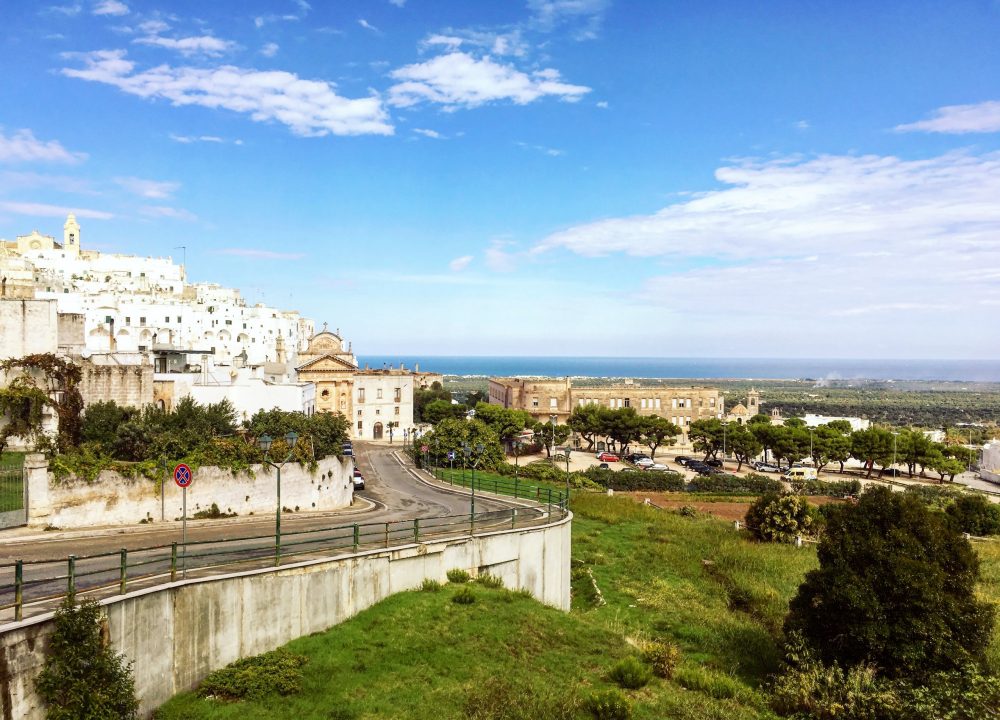
Ostuni sparkles like a reference point on its unmistakable ridge disregarding the olive forests of the Trulli nation and the azure Adriatic where the Salento district starts. It is named „the white city” and is one of Puglia’s most beguiling towns. It holds its medieval character and seems as though around fairyland spiraling around the slope. Involved since ancient times, it was the space of nearby clans in the eleventh century BC. It was demolished by Hannibal and restored by the Greeks who named it „Astu neo” or New Town. It was taken over by the Romans. Starting there it was rearranged to and fro among different rulers until the Aragons, who introduced a period of monetary and social development and thriving. The present Ostuni has an upscale feel and energetic buzz bestowed by the glad and bubbly individuals who live there. There are heaps of cafés, savvy bistros, and piazza-side tables for tasting nearby wine. The cooking is amazing, given its situation in the vegetable nursery of Italy Puglia is known for its foods grown from the ground. Veggie lovers will be upbeat here with plenty of new picked alternatives; however fish and flame-broiled meats, just as neighborhood sheep and hare are local claims to fame, as well. Puglia has a one of a kind eating alternative that you don’t discover in many spots butcher shops that will flame broil your meat determination on the spot. The zone’s olive oil and wines are awesome. The noteworthy focus holds its medieval air with its system of thin paths wandering through white-washed structures, past esteemed royal residences, and opening into piazzas. The Cathedral peaks the town as opposed to its locale, a beige capstone on the white city. The Gothic-Romanesque church has a many-sided rose beautification on the veneer. The Baroque church of San Vito Martire is an improving sanctuary with whimsical decorations directly down the road from the Cathedral. The center point of the city is the Piazza della Liberta’, a famous and beguiling open space. The delight of Ostuni is finding its back-rear entryways and pretty structures as you meander the boulevards and assimilate the climate. There’s bounty to see, and an enthusiastic buzz to appreciate. The perfect seashores of the coast are only a couple of moments away, and there is close essentially jelly, and horseback riding accessible to keep you engaged. It’s situated in the core of Puglia, at the edge of the Trulli zone and the start of the Salento, close to the intriguing towns of Martina Franca, Locorotondo, Alberobello, and Brindisi, and is near probably the best seashores of the district.

- byagni.com – Ostuni Puglia
Ostuni Puglia – real love from first visit!
Ostuni is one of those places that you fall in love with from the first visit and will not be able to forget about it. Located on a hill, the city shines like a white fortress, hanging between the sea and the blue sky.
As in all medieval villages, Ostuni captures the eye with a striking balance of shapes and colors, with which it fits perfectly into the territory. Here, skilled hands were able to reconcile the need to adapt to the climate and landscape: the buildings are completely covered with white lime to reflect sunlight, the Windows of the buildings are small to shelter from the heat and flat roofs to collect fresh rain water.
How to get to Ostuni?
Best of all-by car. Brindisi airport is located about 35 km South of Ostuni. Bari airport is located in the North about 110 km from Ostuni. But if you are already in Bari, for example, then from the Central railway station you can get to Ostuni for 5.60 euros and 45 minutes by train.
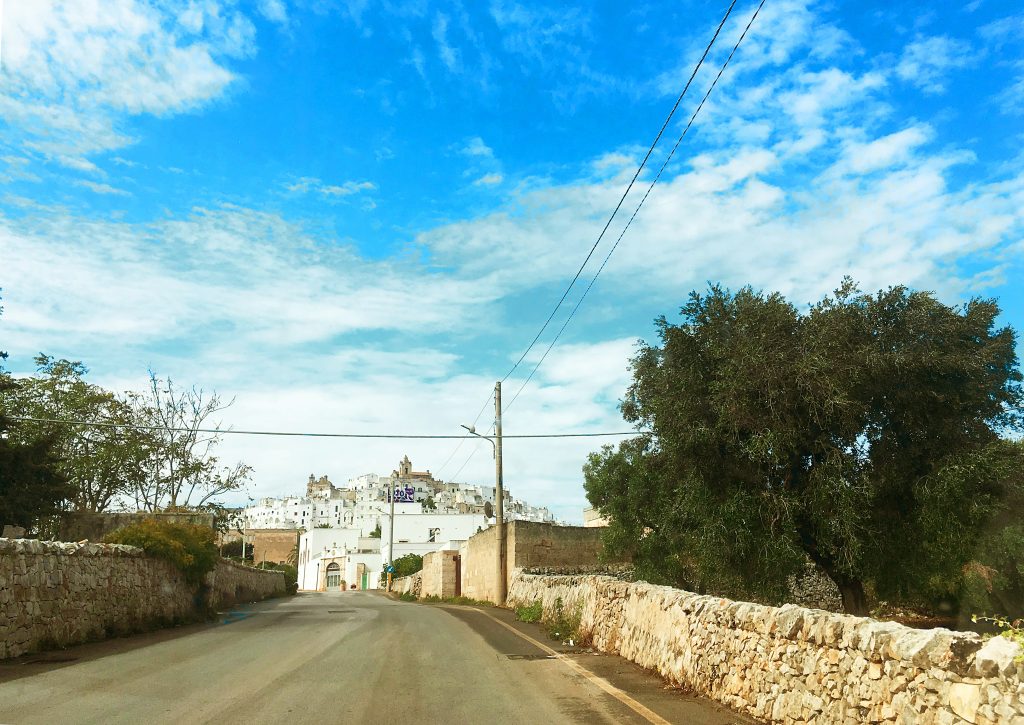
Astunium – is the ancient name of Ostuni, which today is famous as the”white city”. It is a small town in Apulia in the province of Brindisi, located on a hill overlooking the crystal Adriatic sea. Ostuni is one of the most striking examples of Mediterranean architecture. The historical center, called „la terra” by the local population, is formed of characteristic buildings that intertwine with each other, which gives the historical center its charming appearance. By the way, many of the historical centers of the cities of Apulia are like mazes, consisting of narrow streets, staircases between buildings, secret passages and beautiful views. And only those who were born there know the history of the city.
- Ostuni Puglia – byagni.com
Why is Ostuni called the white city?
The medieval walled city was worked without an arrangement, and it appears. The trap of roads is befuddling, a labyrinth of rear entryways, flights of stairs, and curves. Structures were based on one another, and the entrances bolster the houses they associate, compensating for the absence of solid establishments.
You turn one way and locate an impasse, another and get a brief look at the sapphire Adriatic. Puglia has seen a surge of intruders—Greeks, Romans, Goths, Byzantines, Normans—and the maze of Ostuni is the ideal method to befuddle the adversary.
The unmistakable white structures are stunning in the southern sun and are lit up by clear green and blue wooden entryways, pots of red geraniums, and desert plants.
Almost all of Apulia is built of limestone, which has been used here since the middle ages, not excluding Ostuni. This is the material that the region is rich in. In addition, the houses were painted with lime up to the roofs, because it was an easy way to give more light to the narrow streets of the historical center of Ostuni and protect the city from the spread of the plague that raged here in the medieval period.
In the seventeenth century, a plague executed millions in the zone and tainted houses were painted white by blending limestone dust with water. Local people saw that there was less disease around the white houses and ascribed it to a wonder; undoubtedly it was the antibacterial impact of the calcium carbonate.
These days the white houses pull in voyagers and the nearby government urges everybody to repaint at regular intervals by paying for a large portion of the expense.

- Centro Storico – Ostuni Puglia – byagni.com
Visiting Ostuni – What to See?
Ostuni old town is generally a similar size as Polignano a Mare, greater than the modest town of Alberobello. In winter, Ostuni appeared to have for the most part local people around, it was for all intents and purposes liberated from swarms and charming for investigating the thin lanes.
One day in Ostuni is all that could possibly be needed to walk around the old town and see the landmarks and medieval structures. In the inside, around the Saint Oronzo’s segment, Ostuni helps to remember the other Italian urban areas with lovely, great design.
La Cattedrale-a Church built between 1435 and 1495 near the freedom square (Piazza della Libertà); La chiesa del Santo Spirito of the XVII century; the defensive walls of Ostuni; the municipal Palace — an ancient Franciscan monastery built-in 1304. In 1739, two wings of the monastery and most of the Franciscan complex were redesigned. Subsequently, in 1864, the monastery was expanded and converted into a municipal residence with the reconstruction of the current facade in the neoclassical style.
The column of Sant ‘ Oronzo or St. Oronzia-located on the square of the same name near the historical center, the monument is one of the best examples of Apulian Baroque. It was built in 1771 by local master Giuseppe Greco. About 20 meters high with a Holy master how to consecrate the city.
The ancient city walls, with a characteristic cylindrical guard tower and two entrance gates into the city, which remained intact: the Porta Nova and Porta San Demetrio.
Opposite the Cathedral is the arch of Scoppa (l’arco Scoppa) – the name of the Bishop who built it in 1750, whose coat of arms appears above the arch). The arch connects the Episcopal Palace with the Palazzo del Seminario (Palace of the Seminary).
But the most interesting activity in Ostuni is a walk through the old town, between narrow streets teeming with cafes and restaurants. Especially in the evening: the smell of trees, black pepper and flowers mingle with the aroma of freshly prepared dishes, the heat slowly subsides, the sounds of Cutlery and Italian conversations turn Otsuni into a magical place to relax.
Anyway, when you choose to investigate it more profound, here and there the little roads, it transforms into a whitewashed town which appears, as I referenced previously, a duplicate of the Greek, notable towns, as Mykonos for instance.
Simply becoming mixed up in this labyrinth of those little, steep lanes is incredibly charming, in the event that you like old, medieval towns, you’ll love Ostuni – don’t miss it during your excursion in Puglia!

- Cathedral of Saint Mary of the Assumption – Ostuni Puglia – byagni.com
Where to eat in Ostuni?
In top visitor season, picking a spot to eat in Ostuni can be entirely troublesome with a practically overpowering cluster of cafés from which to decide for all financial plans – with some being fantastically well known. You will discover most choices in Piazza della Liberta, or as you climb Via Cattedrale and the little rear entryways fanning out from it. We scarcely started to expose what’s underneath, however, the ones recorded beneath are those which we’d come back to in a heartbeat!
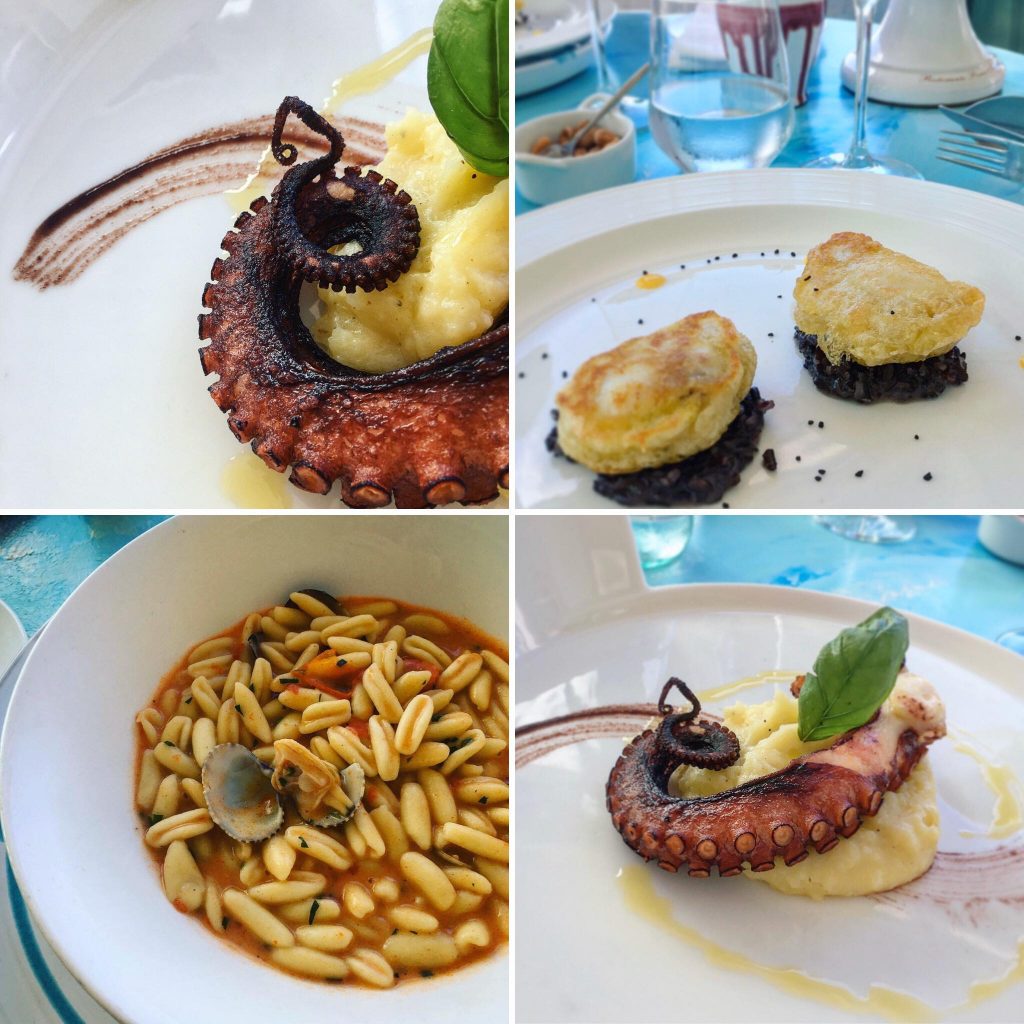
Ristorante Porta Nova Ostuni is another high-level restaurant where celebrities like to visit-Italian coaches, actors. Its two features are the view-a stunning view from the covered terrace.
- Ristorante Porta Nova – Ostuni Puglia – byagni.com
 Ristorante Porta Nova – Ostuni Puglia – byagni.com

- Ristorante Porta Nova – Ostuni Puglia – byagni.com
Osteria del Tempo Perso (Osteria of lost time) is one of the most famous restaurants in Ostuni. It serves typical Apulian cuisine and seafood.
La taverna della Gelosia is a beautiful place and a great option for a romantic dinner. Going down the steps you will immediately smell the flowers that serve as a canopy for the restaurant. It seems to hide from all the willows at the same time it is located on a street where the main number of bars and restaurants is concentrated.
Sapori D’eccellenza and Sorsi e Morsi are two great places to eat. Generous and varied Panini will cost you 4-5 euros. In Dadooda, you can find different types of Apulian panzerotto Patty — a great snack option.
La Pastasciutta | This spot isn’t extravagant, yet wow do they make a mean bowl of pasta! With open-air seating in the air Via Vito Tamborrino, a menu that changes every day, dishes for around 5 Euro and glasses of red wine for 3, it’s of little amazement that returned more than once…
Il vizio del conte | Less of a café, and all the more a gap in the divider, this famous spot offers great pizza and focaccia. Best delighted in on the little seat outside with a virus jug of brew!
Borgo Antico Bistro | With the absolute best plunk down perspectives in the city, this spot is an unquestionable requirement visit. Covered up among the little rear entryways, this photogenic spot offers delectable sharing plates, incredible mixed drinks and a phenomenal spot to watch the world pass by.
There is likewise an INCREDIBLE gelato place inside Piazza della Liberta called Ciccio in Piazza, on the correct hand side not long before the road becomes Corso Vittorio Emanuele II. You will effectively have the option to discover it from the lines outside…
Ostuni Beaches
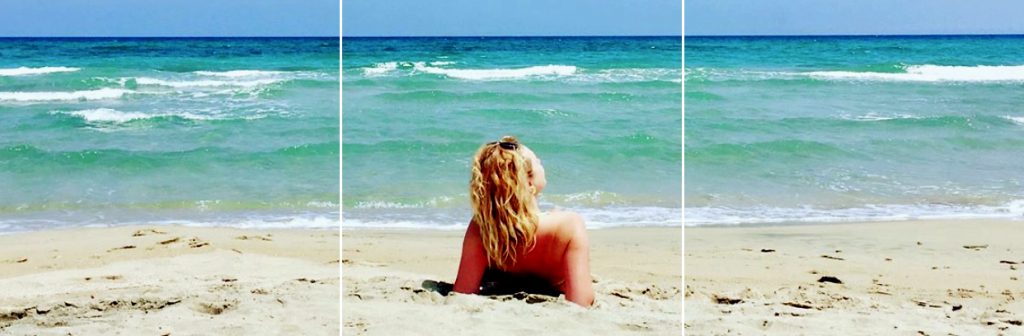
Ostuni lies about 20 km of the coast, mostly with a low rock and intervals of sand, dunes. Sea towns that belong to Ostuni are Villanova, Costa Merlata, Rosa Mariana-about 8 km from the center of Ostuni. Main beaches: Lido Morelli-there is sand; Quarto di Monte, where the popular White Ostuni beach club is located. Torre Pozzella is 9 km from the city center.
- Lido Morelli – Torre Cane – Ostuni Puglia – byagni.com
Ostuni is stunning at any time – but it’s particularly beautiful at sunset!!! For fantastic views over the white city head up to Corso Vittorio Emanuele II and take a seat at the viewpoint. You won’t regret it!!!
More pictures of Ostuni here